


.png?width=64&height=64&name=artificial-intelligence%20(3).png)




Automation in manufacturing is often associated with robots, machines, and smart equipment. However, many automation initiatives fail to deliver their promised benefits—not because of technology limitations, but because of one fundamental issue: poor data foundations.
True automation is not machine-driven. It is decision-driven. And decisions require reliable, structured, and complete data. Component-to-Serial traceability —linking components directly to individual unit serial numbers—provides exactly that foundation, transforming traceability from a compliance requirement into a core enabler of automation.
At SVI, this capability is the result of more than 25 years of disciplined component data building, supported by internally developed systems designed for scalable, automation-ready manufacturing.
Automation Begins with Data, Not Equipment
Modern automation systems rely on data relationships rather than isolated data points. To make autonomous or semi-autonomous decisions, systems must understand:
- Which components were used
- Where they came from
- How they behaved during production
- Which finished units are affected when something goes wrong
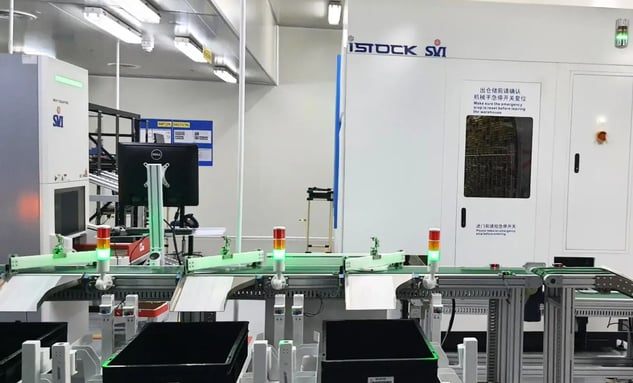
Automated Warehouse for Material Kitting with Board Serial Number Traceability |
Without this visibility, automation remains limited to mechanical tasks. With it, automation evolves into intelligent decision-making.
This is where Component-to-Serial traceability becomes essential. It bridges the gap between physical production and digital automation systems, enabling faster decisions, lower risk, and scalable operations.
What Is Component-to-Serial Traceability?
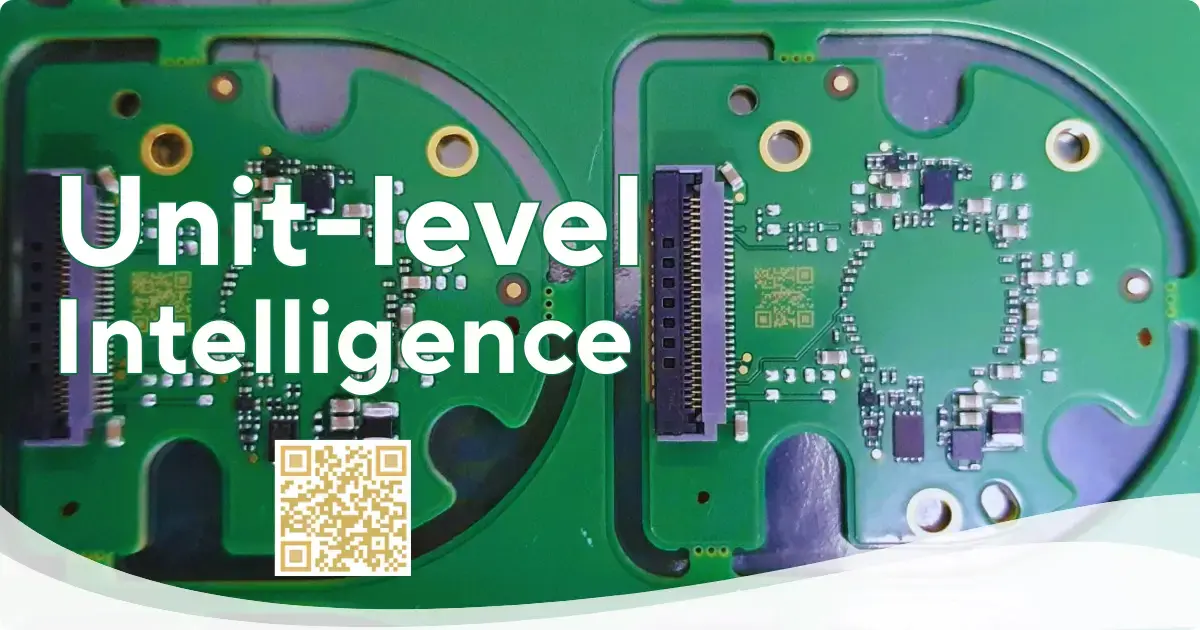
Component-to-Serial traceability is the ability to digitally link every critical component—along with its lot, supplier, manufacturer part number, date code, component marking information, and inspection data—to an individual unit’s serial number.
Unlike traditional batch-level traceability, this approach creates unit-level intelligence. Each serial number carries a complete digital history of the materials and processes used to build it.
This level of traceability allows manufacturers to move beyond “what batch was affected” and answer far more powerful questions:
- Which exact units used a specific component lot?
- Which supplier or material contributed to a defect pattern?
- Which units are safe, and which require action?
For automation systems, these relationships are not optional—they are foundational.
Why Automation Cannot Scale Without Unit-Level Traceability
Many factories attempt to automate decision-making while still relying on fragmented data sources, spreadsheets, or partial traceability. The result is predictable:
- Slow root cause analysis
- Overly broad containment actions
- Continued reliance on manual judgment
Automation systems require confidence in data. Without Component-to-Serial traceability, systems cannot isolate risk at the unit level. This forces organizations to take conservative, high-cost actions such as batch recalls or production stoppages.
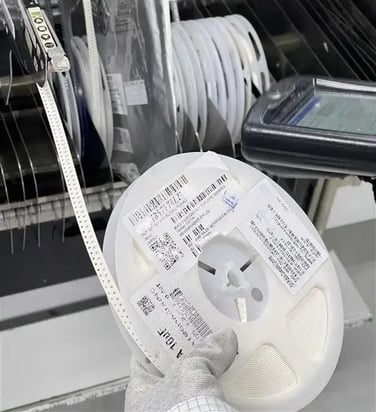
Component Reel Identified by Batch and Reel Numbers, Linked to Board Serial Numbers |
By contrast, when unit-level traceability is in place, automation systems can:
- Automatically identify affected units
- Trigger targeted containment actions
- Support faster recovery with minimal disruption
In this way, traceability becomes a direct enabler of automation scalability.
SVI’s 25-Year Component Data Foundation
Building automation-ready traceability is not a short-term project. At SVI, it is the result of more than 25 years of systematic component data development.
Over time, SVI has built a comprehensive stockist part inspection library, capturing:
- Supplier-specific behaviors
- Component-level risk patterns
- Historical defect data across multiple product generations
|
Supplier Material Quality Management |
Automation board serial No. |
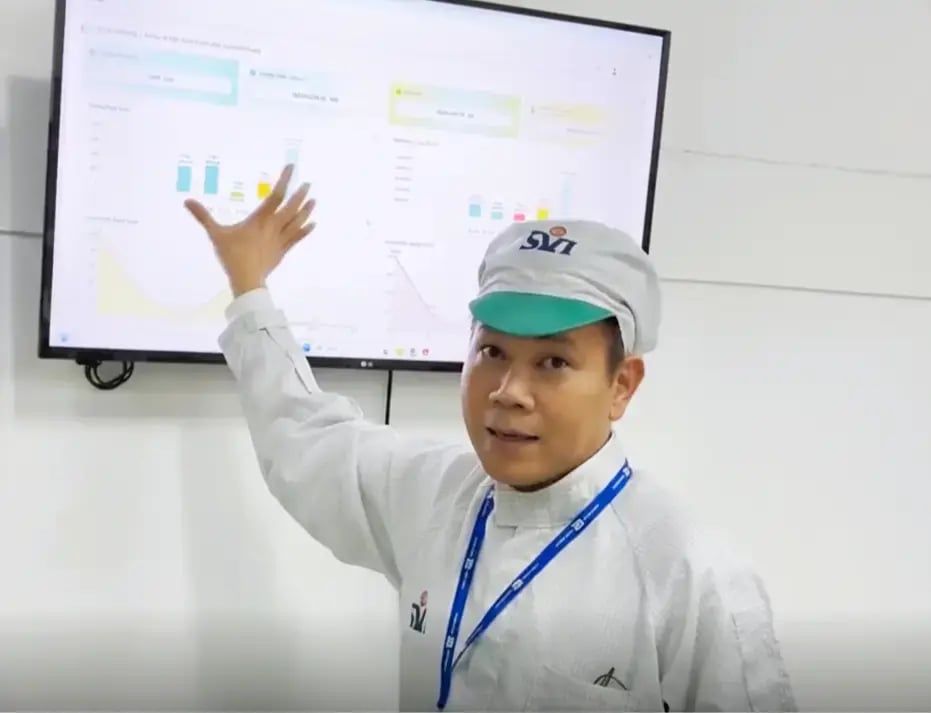
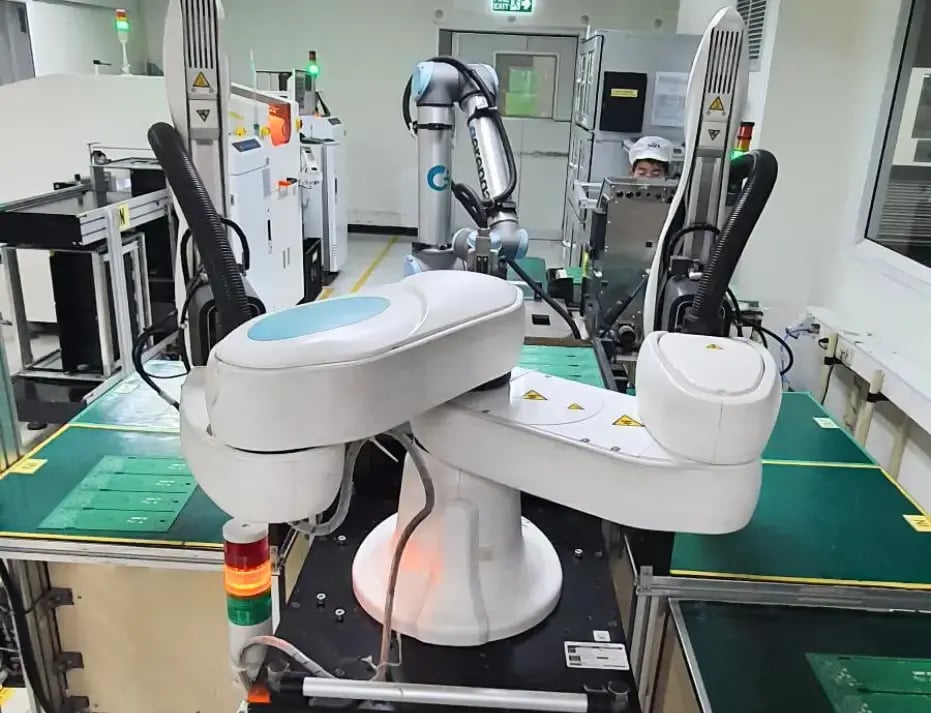
This long-term data continuity is critical. Automation does not rely only on real-time data—it depends on historical context. Patterns, trends, and correlations can only be identified when data is consistent and structured over time.
By maintaining this discipline for decades, SVI ensures that automation systems are not operating blindly, but are informed by deep, validated manufacturing knowledge.
Capturing Component, Lot, and Supplier Data: The Automation Input Layer
Automation begins at material receiving, long before production starts.
To support Component-to-Serial traceability, SVI digitally captures:
- Component identification
- Lot and batch numbers
- Supplier source information
- Incoming inspection results
This data is managed through SVI’s internally developed systems, ensuring consistency, control, and scalability across operations. Manual records and disconnected tools are intentionally avoided, as they introduce data gaps and reliability risks.
|
Real-Time Traceability Reports Linking Unit Serial Numbers with Component, AOI, and X-Ray Inspection Data |
.webp?width=1200&height=630&name=Automation%20Begins%20with%20Data_%20Not%20Equipment%20(1).webp)
For automation systems, this structured input layer enables:
- Automated material release decisions
- Supplier-level quality analysis
- Early risk detection before components reach the line
Materials are no longer just physical parts—they become digital assets feeding automation logic.
Linking Materials to Unit Serial Numbers: The Intelligence Layer
The defining moment of Component-to-Serial traceability occurs on the production floor.
As manufacturing progresses, each component is digitally linked to:
- Production orders
- Specific process steps
- Final unit serial numbers
This linkage transforms traceability into a decision-capable system. Each finished unit carries a complete, searchable record of its material and process history.
From an automation perspective, this enables:
- Automated defect correlation across units
- Precise containment actions without unnecessary downtime
- Data-driven process adjustments based on real production outcomes
This is where traceability stops being a passive record and becomes an active participant in automation.
Data Accuracy and Completeness: The Trust Layer for Automation
Automation amplifies whatever data it consumes. High-quality data accelerates decisions. Poor data multiplies errors.
To ensure automation systems can be trusted, SVI enforces:
- Mandatory digital data capture
- System-controlled checkpoints
- Consistent rules across production lines and sites
Incomplete or inaccurate data is not allowed to flow downstream. This discipline ensures that automation decisions are based on facts, not assumptions.
As a result, both engineers and management can act faster, knowing the underlying data is reliable.
Supporting Digital Controls That Protect Traceability Integrity
While Component-to-Serial traceability is the core focus, several supporting digital controls strengthen its effectiveness.
Process Block Control Plans ensure that materials, processes, or units cannot proceed unless specification requirements are met and required traceability data is complete and valid. This enforces correct material usage and correct process conditions, ensuring data completeness and consistent product quality by design.
Test Control systems link test results back to unit serial numbers, reinforcing traceability validation and enabling automated quality feedback loops.
Solder Paste and MSL digital floor life controls ensure that traceable components are used within defined environmental and time limits, protecting both product quality and the reliability of traceability data entering automation systems.
These systems do not replace traceability—they protect and enhance it, ensuring automation decisions are based on valid, accurate, and actionable inputs.
From Traceability to Automation at Scale
With Component-to-Serial traceability in place, automation systems gain the ability to:
- Make faster quality decisions
- Perform targeted root cause analysis
- Scale across multiple sites with consistent logic
- Support digital factory and Industry 4.0 initiatives
Automation systems can now answer, in real time:
- What happened?
- Where did it happen?
- Why did it happen?
- Which exact units are affected?
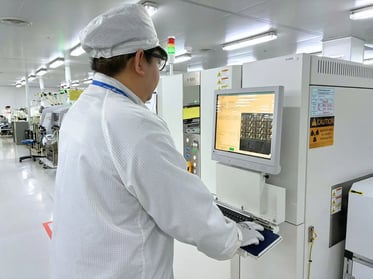
This capability is essential for manufacturers operating in complex, high-mix, global environments.
Traceability as a Core Pillar of Automation
Component-to-Serial traceability is not a standalone quality tool. It is a core pillar of SVI’s automation strategy.
By connecting materials, processes, and finished units through reliable data, SVI enables automation that is:
- Faster
- More precise
- Scalable across regions and product types
“This level of traceability establishes the data foundation required for automation, without which faster decisions and scalability are impossible.”
Automation does not begin with machines—it begins with trust in data. Component-to-Serial traceability provides that trust.
Ready to Build Automation on Reliable Data?
Component-to-Serial traceability is the foundation for scalable automation, faster decisions, and consistent quality.
Discover how SVI’s automation-ready manufacturing systems transform traceability data into real operational advantage.
👉 Explore SVI Automation Capabilities


 7
7
.webp)


